
Asymmetry

The Emotional Cost of Wanting Freedom Without Reciprocity

A friend of mine told me recently that she would rather cheat than be polyamorous.
She did not say it recklessly. She said it with clarity. She said it as someone who had considered the options and landed on what felt safest for her.

She does not want to share her wife. She does not want her wife experiencing the same expansion she herself desires. She wants freedom for herself and exclusivity from her partner. She wants novelty without destabilizing her primary security. She wants to feel desired in new rooms while remaining centered in the old one.
And I have been sitting with that statement ever since.
Not because desire is shocking. Desire is human. Curiosity is human. Longing to feel alive again is human. I do not judge appetite. What I study is structure. What I observe is power. What I examine is the emotional cost of asymmetry.
Because I get to hear both sides.
I hear my friend talk about wanting something new. I hear the way she frames it as growth. I hear her convince herself that cheating would protect her marriage more than transparency would. She believes secrecy would contain the impact. She believes that if her wife never knows, then no real harm is done.
But intimacy does not operate on proof. It operates on congruence.
And what my friend does not realize is that her wife already feels the incongruence.
Not details. Not passwords. Not hidden Instagram stories curated for selective viewers. Not the muted notifications. Not the strategic deletion of messages. Not the soft launch flirtations disguised as innocent engagement.
But she feels the shift.
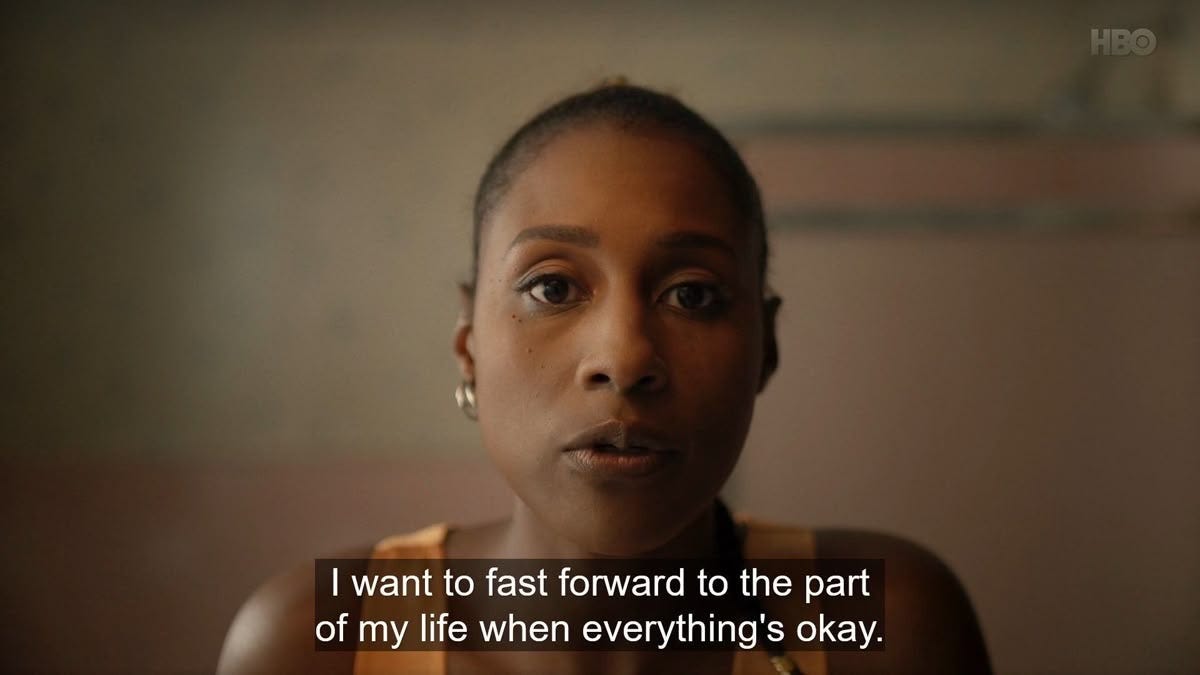
Cheating alters energy before it alters evidence.
Attention becomes divided. Presence becomes thinner. Reassurance becomes rehearsed instead of organic. The phone is angled differently. Responses are measured. Irritation increases when questions get close to truth.
You can hide information. It is much harder to hide fragmentation.
The wife senses something changing, but she is tired. She is managing children, school schedules, work responsibilities, emotional labor that never clocks out. Her nervous system is already taxed. She does not have the capacity to wage war on intuition alone. So instead of confronting immediately, she absorbs.
Exhaustion can look like ignorance. Often it is containment.
She may question herself. She may wonder if she is imagining things. She may tell herself that stress is distorting her perception. She may shrink instead of escalate.
And the cheater may misread that quiet as safety.
But quiet does not always mean unaware.
Sometimes it means calculating.
What fascinates me is not simply that my friend wants more. It is that she refuses reciprocity. She does not want polyamory because polyamory requires consent. It requires sitting across from your partner and saying, I desire expansion. It requires allowing your partner equal autonomy. It requires tolerating the possibility that your wife might also feel electrified by someone new.
Cheating feels easier because it preserves control.
Polyamory demands emotional maturity. It demands transparency. It demands negotiation. It demands confronting jealousy in daylight instead of suppressing it in secret. It forces you to examine whether you want love or possession.
Cheating allows you to bypass all of that work.
It allows you to curate a second life while maintaining the comfort of the first. It allows you to taste novelty without risking displacement. It allows you to protect your ego while destabilizing someone else’s nervous system.

That is the emotional asymmetry that concerns me.
Because asymmetry creates erosion.
When someone lives in two realities, identity begins to fragment. You become hyper aware of your devices. Your tone. Your schedule. You rehearse explanations before questions are asked. You manage perception instead of inhabiting truth. You tell partial stories. You edit your day. You create plausible deniability.
You call it complexity.
But it is anxiety management.
And that anxiety leaks.
The wife feels absence without evidence. She feels that her partner is slightly less available. Slightly less attuned. Slightly less anchored. She may not know where the distance originates, but she feels the distance.
And here is where the emotional toll becomes layered.
She is already stretched thin. Motherhood demands presence. Work demands competence. Life demands resilience. When suspicion enters that ecosystem, it does not arrive as drama. It arrives as depletion.
She may not confront because she cannot afford collapse. Confrontation risks destabilizing the entire household. So she stays functional. She keeps the children on schedule. She continues showing up.
But internally, she may begin grieving.
Not loudly.
Quietly.
Grieving the version of intimacy that once felt solid. Grieving the sense of being fully chosen. Grieving the subtle shift in emotional safety.
The cheater, meanwhile, may feel invigorated. New attention activates dormant parts of identity. Being desired outside of domestic routine feels affirming. Novelty stimulates dopamine. Validation feels expansive.
And because the wife is not exploding, the cheater convinces herself she is managing it well.
This is where illusion strengthens.
If there is no confrontation, there is no damage.
If there is no exposure, there is no betrayal.
But that logic is flawed.
Trust is not only broken by revelation. It is weakened by incongruence over time.
Even if the wife never sees a screenshot, she feels the misalignment. She feels the emotional partitioning. She feels that something is being withheld.
And withholding changes attachment.
The affair partner, if there is one, lives in her own illusion. She believes she is special. She believes she represents awakening. She hears dissatisfaction about the marriage and interprets it as evidence that she is exceptional. She receives vulnerability in private and invisibility in public.

She builds hope from fragments.
She does not always realize she is participating in asymmetry too.
Because the same person who refuses to share their wife will often refuse to fully choose the affair partner either. She becomes expansion, not foundation. She becomes adrenaline, not architecture.
And eventually, she will feel that instability as well.
What concerns me most is not the desire for expansion. It is the avoidance of accountability. My friend believes cheating would protect her marriage. I believe it protects her ego.
Ego preservation says I want autonomy without risk. Ego preservation says I cannot tolerate watching my partner experience what I am seeking. Ego preservation says my discomfort matters more than your security.
That mindset erodes relational integrity.
It also reshapes the person who cheats.
Living in deception requires constant monitoring. You must track stories. You must manage timelines. You must anticipate questions. You must curate digital footprints. Hidden Instagram stories. Selective visibility. Muted threads. Deleted exchanges. Defensive humor when confronted.
It is a full time emotional job.
And that labor alters your nervous system.
You are never fully relaxed. You are always scanning for exposure.
You begin performing intimacy instead of embodying it. You overcompensate publicly. You post more affection than you feel. You defend more aggressively than the situation requires.
The wife may appear defeated. She may seem too tired to fight. But exhaustion does not equal ignorance. Often it equals delayed response.
Women sense shifts. We may not respond immediately. But we register.
And here is the life coaching truth underneath all of this.
Cheating is not about abundance. It is about avoidance.
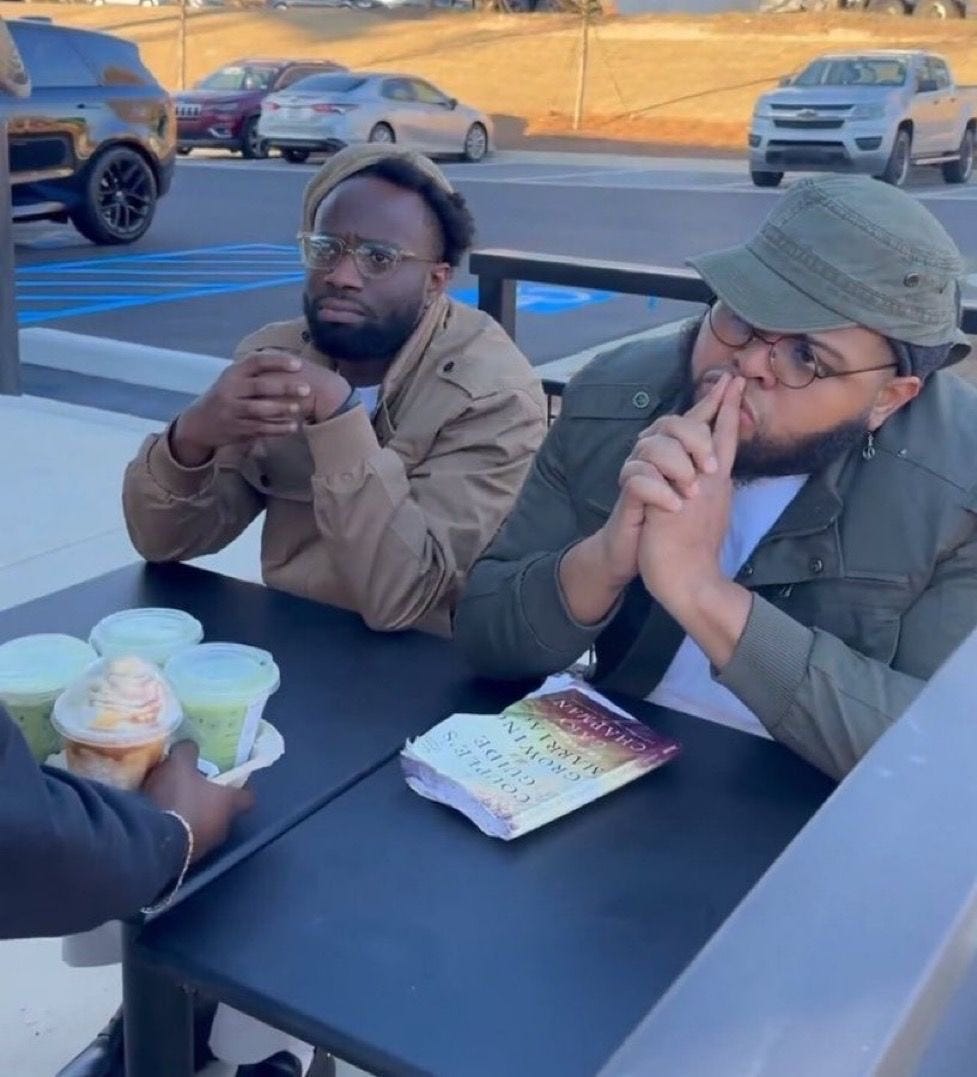
Avoiding difficult conversations. Avoiding the risk of singular choice. Avoiding the vulnerability of saying, I want more, and accepting that more may not be symmetrical.
Polyamory is not inherently virtuous. It is simply structured. It demands negotiation. It demands courage. It demands confronting insecurity openly.
Cheating demands secrecy. It demands narrative control. It demands emotional compartmentalization.
One path builds resilience. The other builds fracture.
My friend thinks she is choosing the option that preserves her home.
But preservation built on concealment is temporary.
Because intimacy thrives on congruence.
When your inner world and outer world do not match, your body knows. Your partner senses it. Your children feel the atmosphere shift.
Cheating is rarely about sex alone. It is about identity. It is about wanting to feel expanded without surrendering control. It is about fearing replacement while seeking novelty.
And that fear, if left unexamined, becomes the quiet architect of destruction.
As I reflect on this, what surfaces for me is not judgment. It is clarity. Relationships are ecosystems. When one person secretly redraws the boundaries, the entire system destabilizes. Even if it takes time to become visible.
The wife may not confront today. She may continue functioning. She may appear resigned.
But quiet does not mean unaware.
And ego driven expansion always has a cost.
The question is not whether desire exists.
The question is whether we are brave enough to hold desire responsibly.
Because wanting more is not wrong.
Destabilizing someone who trusts you in order to avoid discomfort is.
And that is the distinction that matters.